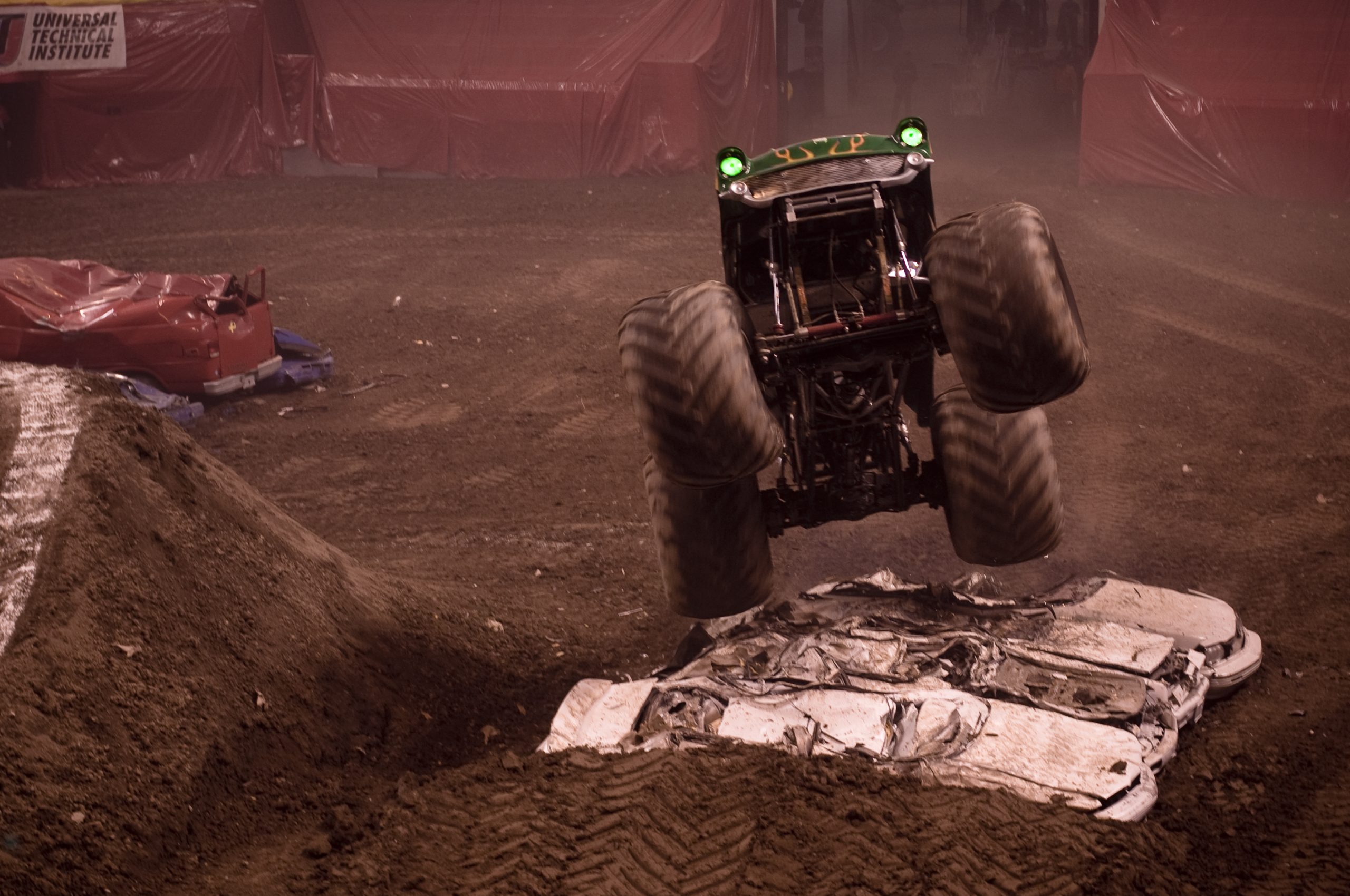
Monster Jam
02.18.09
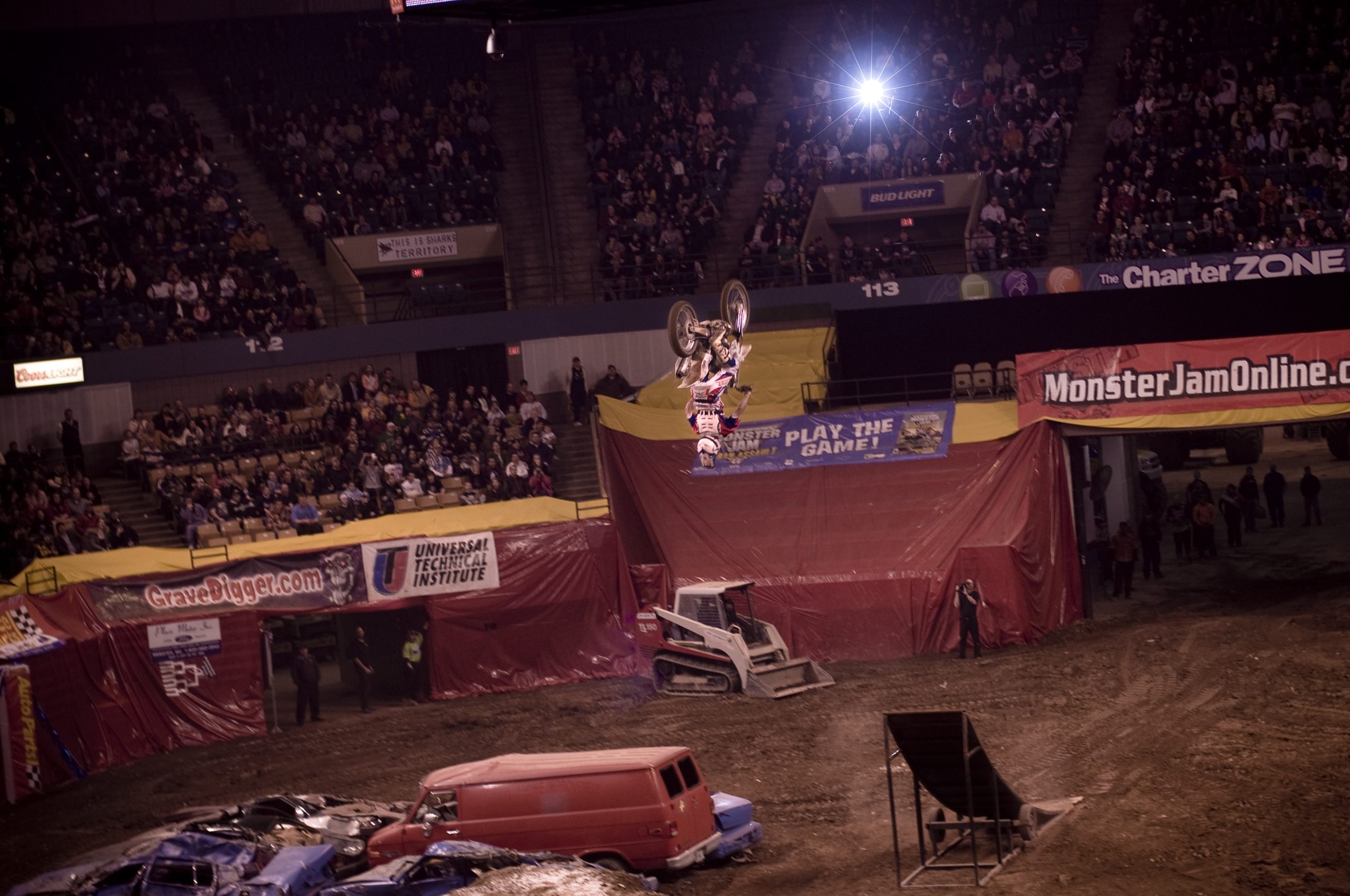
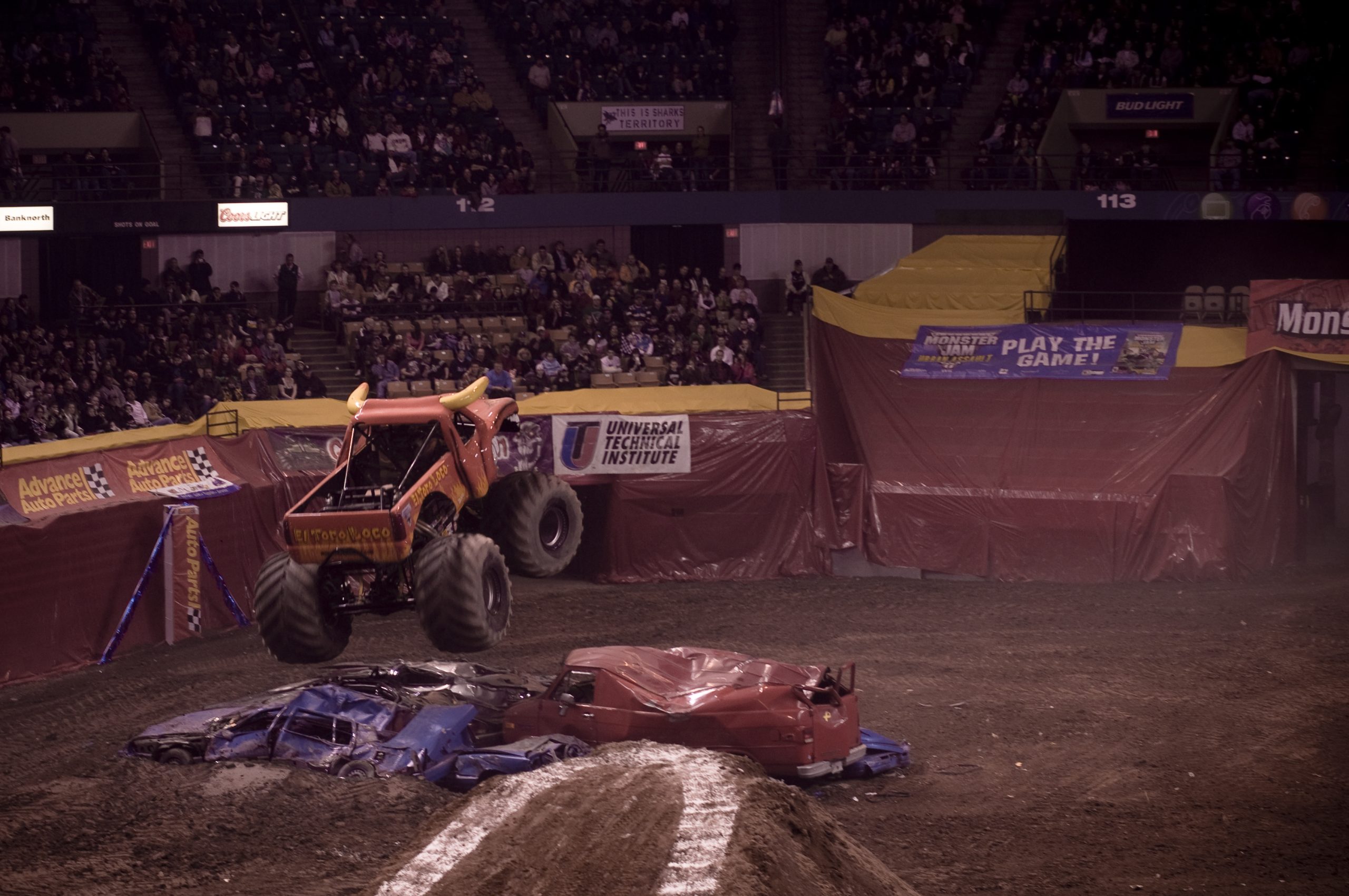


So it seems that lomography is all the craze these days, with Urban Outfitters selling all sorts of plastic cameras and accessories. I think it’s awesome that lomogrpaphy is keeping film alive but they are robbing my wallet at the same time. So I started googling…
Digital Holga (nothing great)
Holga Hack (Some film Hacks),
then… BAM…. “HOLGA DSLR HACK” which returned this.
I followed almost all the instructions and overall I’m pleased with the results. I used a metal pipe instead of a film canister for the focal tube. It’s much more ridged, doesn’t leak any light, but is hard to focus. If I could find something that telescopes and leaks a minimal amount of light I would call it a success. Although, It doesn’t stand up to a real film camera it was fun to make and fun to play with
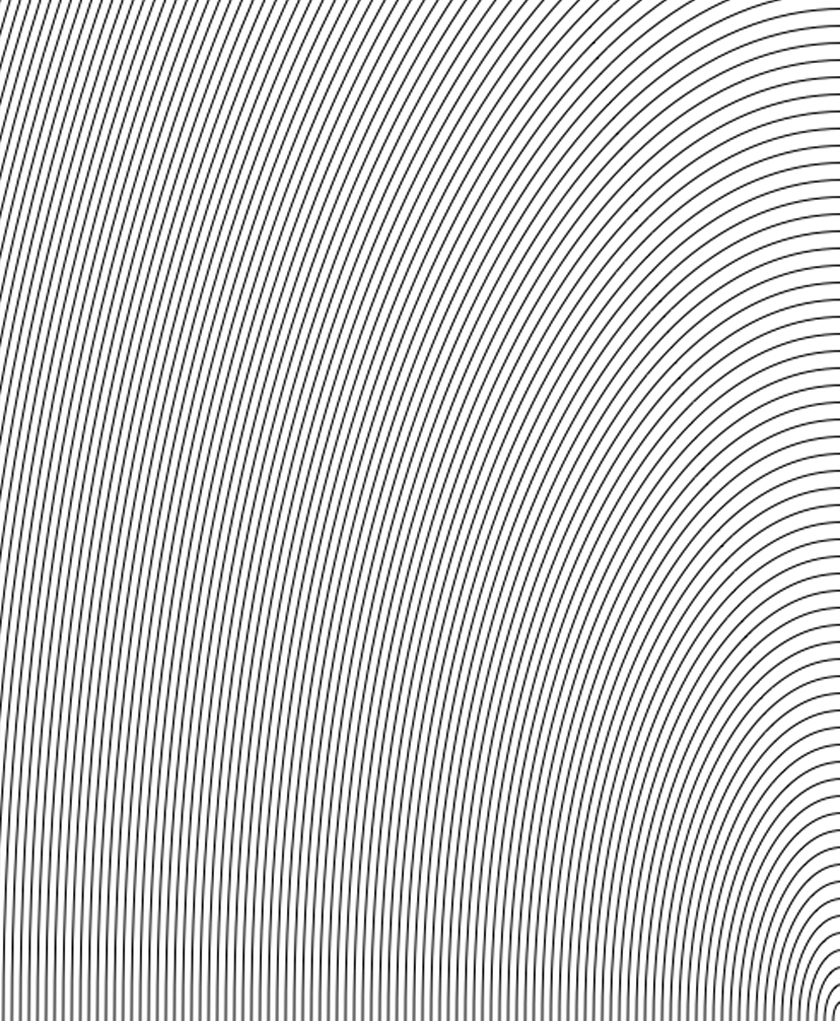
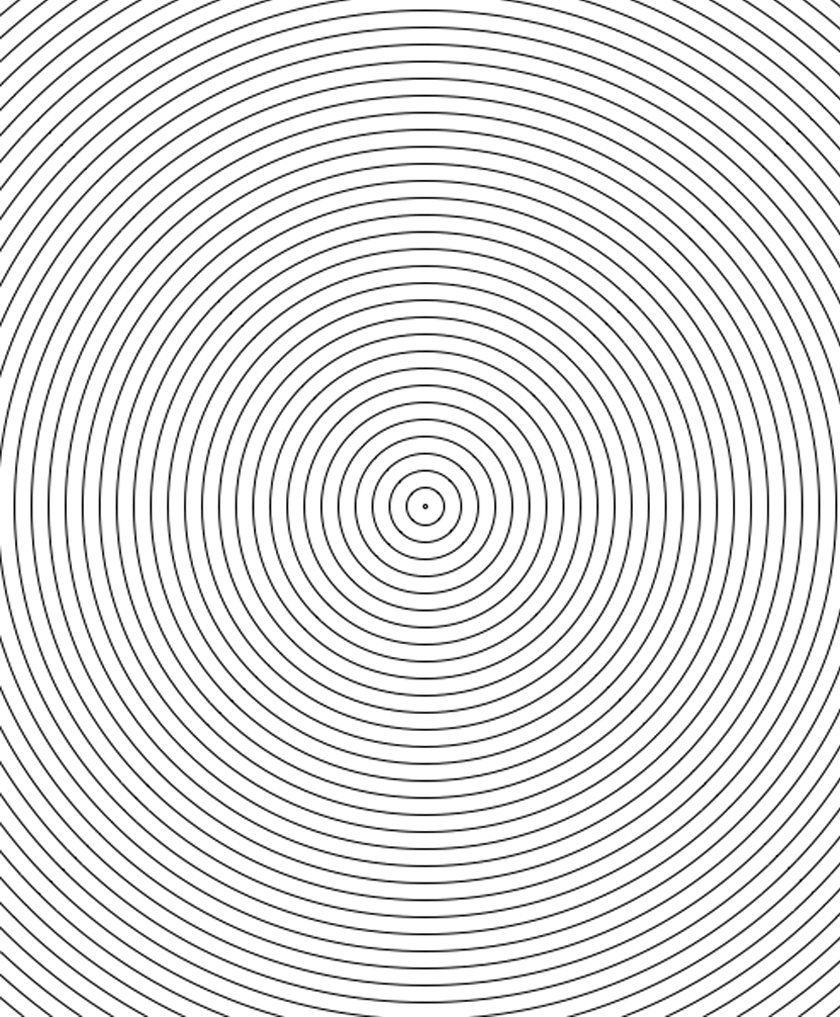
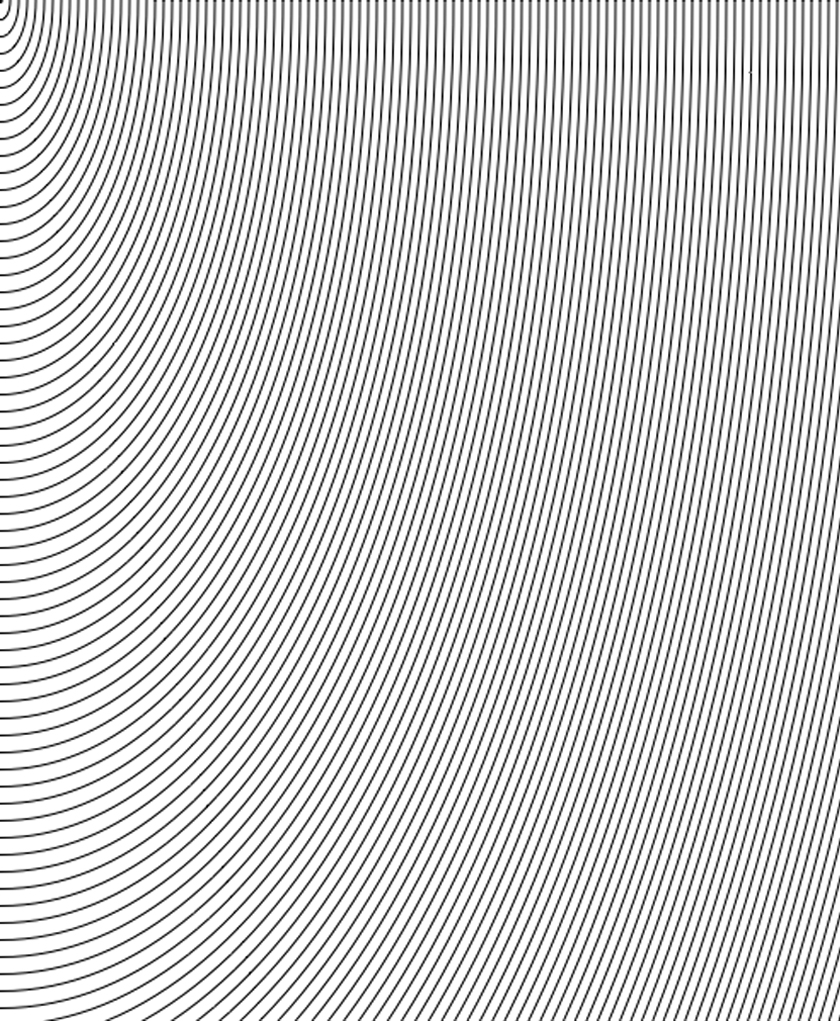
I’ve been reading Processing: A Programming Handbook
for Visual Designers and Artists and just learned what a for loop does!
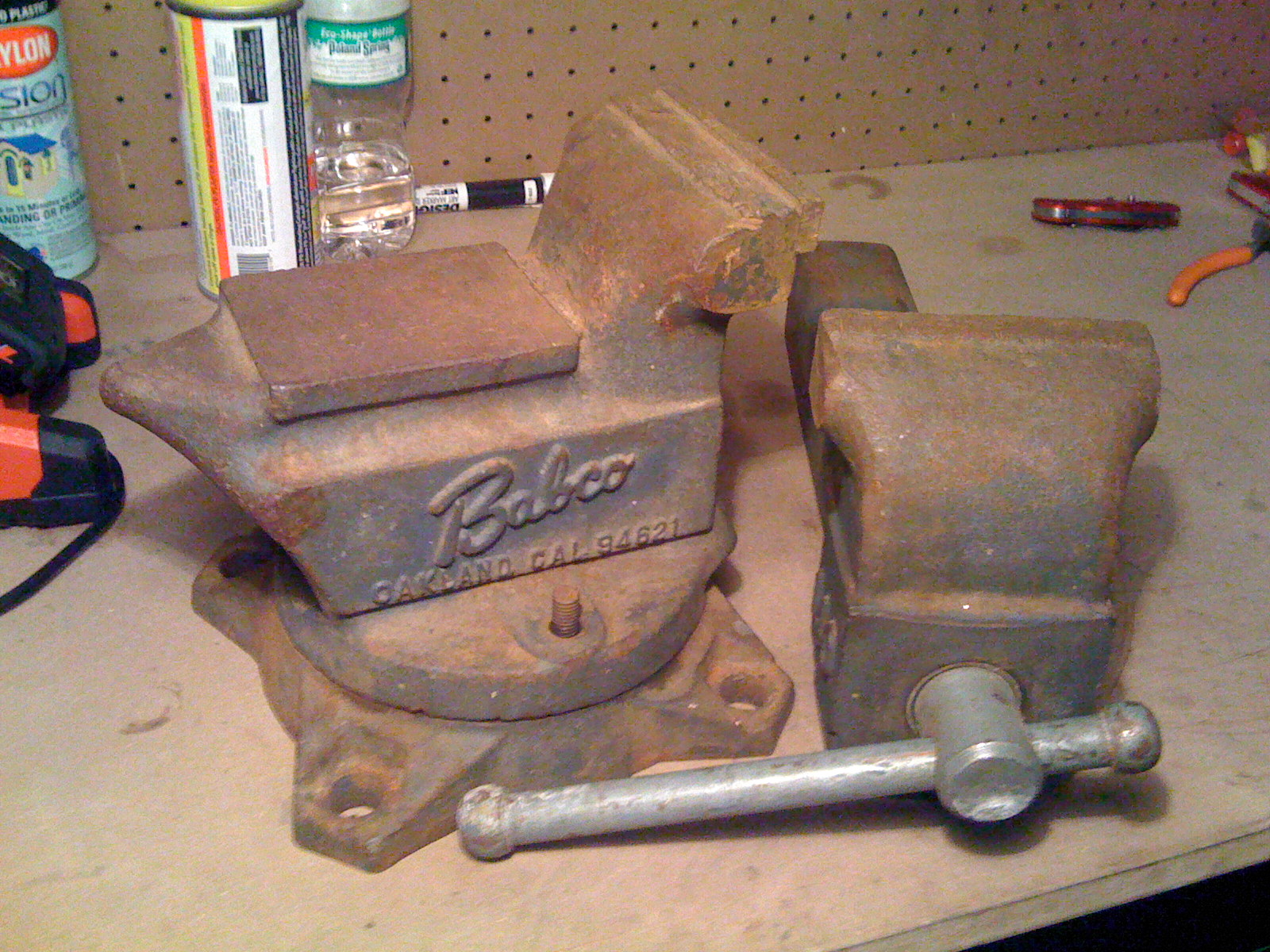
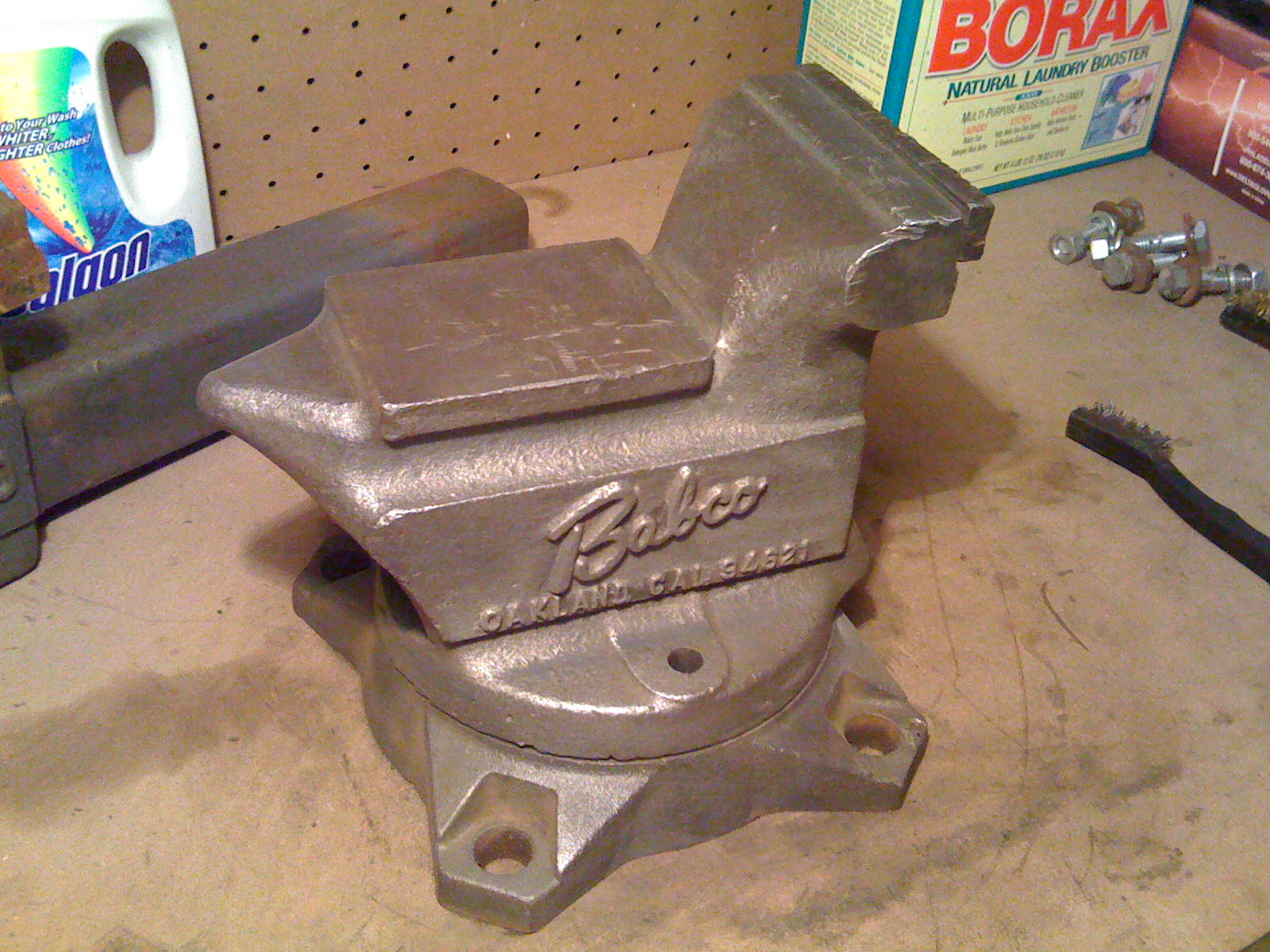
I think this might be my new favorite thing. Electrolytic Rust Removal is like magic. I restored this rusted vice in 12 hours.
I built this and ran it with the vice in it for 12 hours on my fire escape.
Not bad if you ask me.
Here’s a video of a simple verson.

I have no idea what this says, but it’s cool!
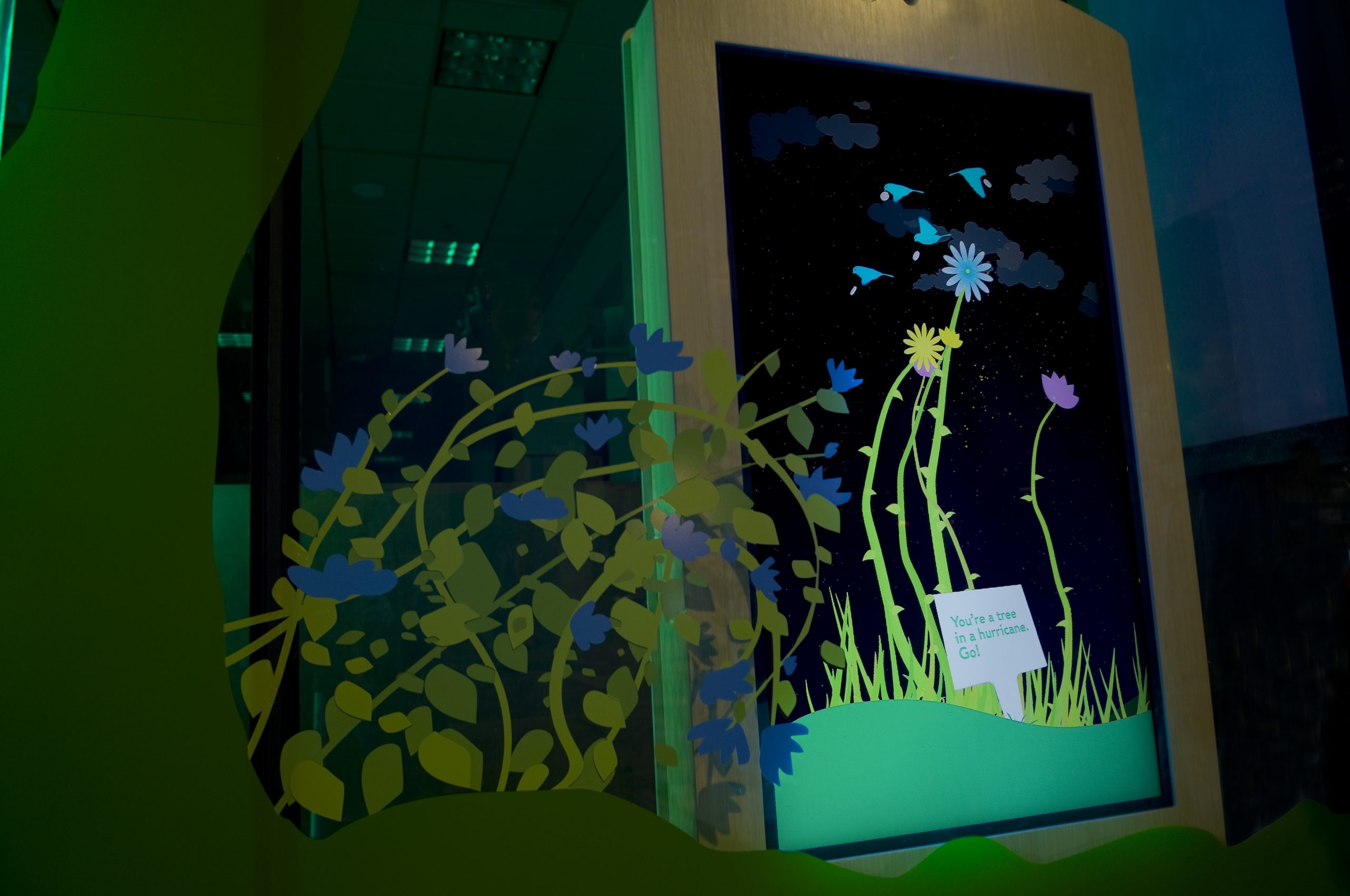
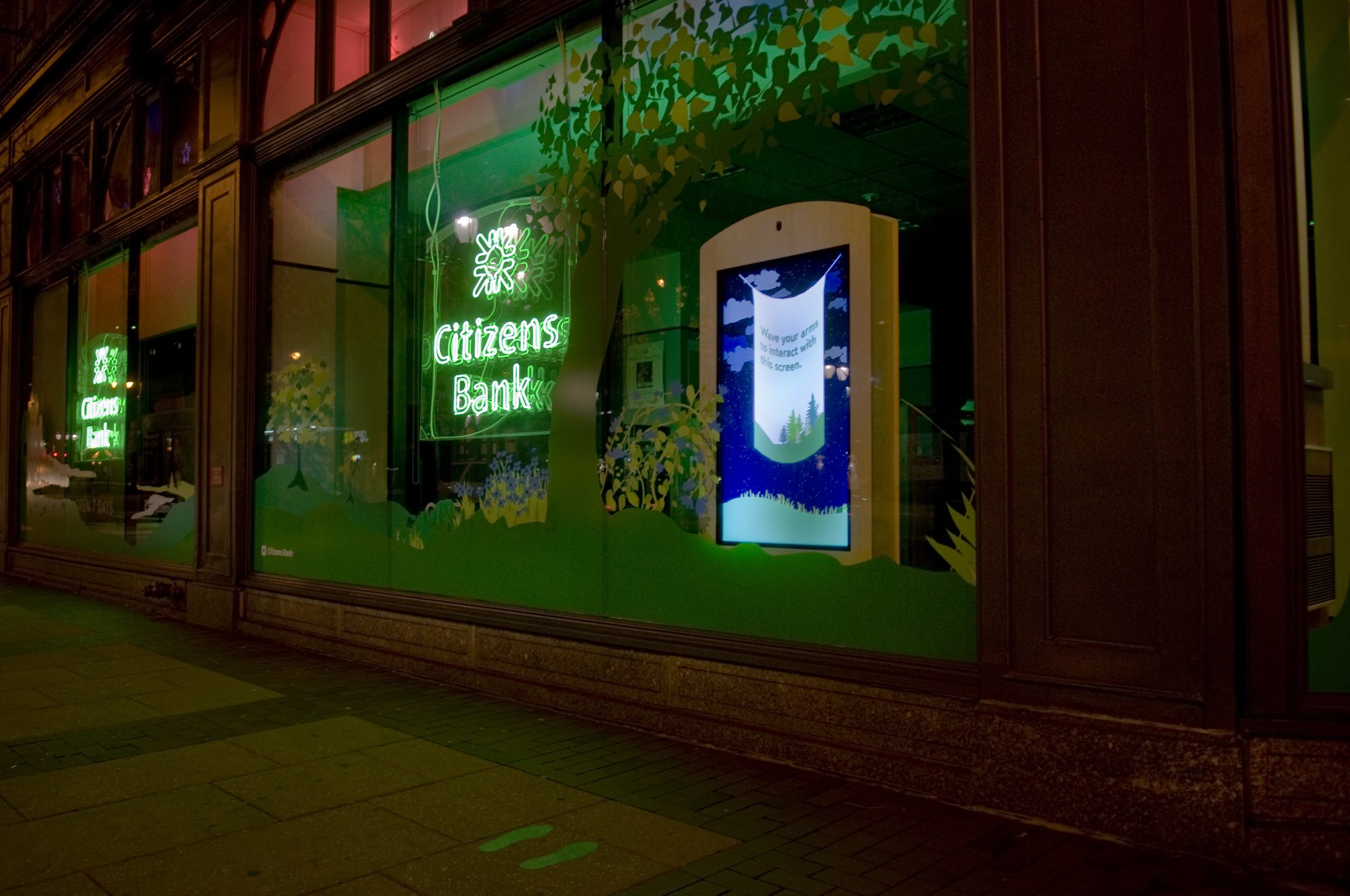
All it took was 8000 Stickers and a few thousand lines of code.
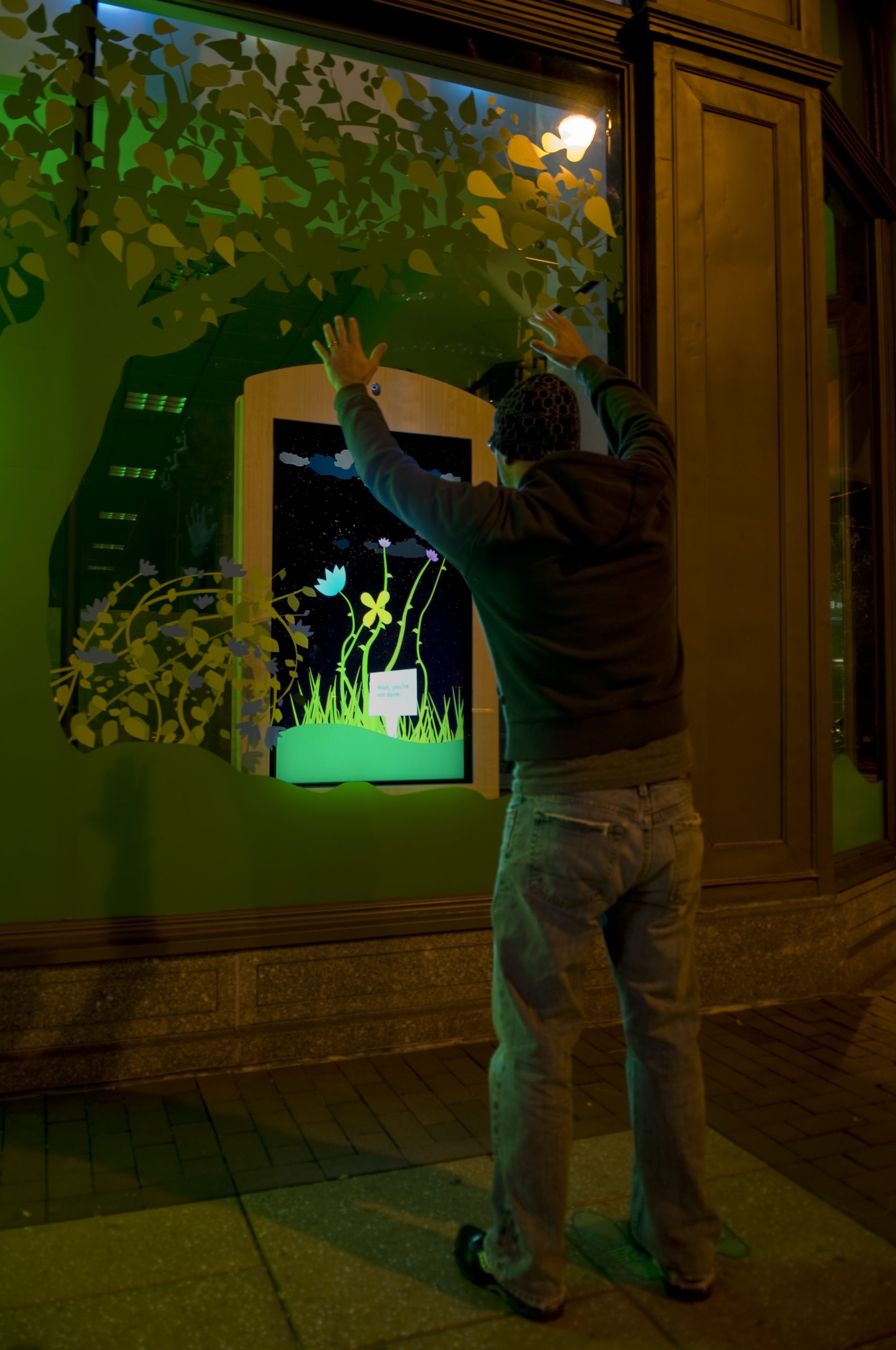
Sounds simple right? Thanks to Bob Shane at Vinyl Countdown in Allston, MA for his expertise in graphic installation we put the stickers up in 2 days in Boston and 3 days in Philly. As for the interactive application, that’s another story. Todd Vanderlin, Memo Akten and myself teamed up to create a dynamic plant that feeds off user interaction and presence.
We developed custom software using openFrameworks (openframeworks.cc), an open source development environment for C++. The software is displayed on an HD (1080 x 1920) vertical LCD screen, enclosed in a custom fabricated bamboo frame. As the user stands in front of the display, a camera captures them and the software analyzes the movement in each frame of the video. In realtime, the user’s movement is translated in to a wind force. This force and the accompanying physics system animates bring the environment to life. As the user sways and moves, the plants move with them. The interaction becomes a tango between the user and the plants. We are isolating the upward motion and computing that into plant growth to encourage growth. The more someone moves up the more the plants will grow. The application has two modes: day and night. At night the sky fades to a black gradient and stars twinkle in the background. When the sun rises the environment transitions back into a sunny day.
The application also has some pretty cool analysis software that captures data from the locations.
If you’re in Boston (1 Financial Center) or Philly (7th and Market) you should swing by the banks to check them out.
More photos here

The projects were tons of fun. Everyone got to be part of a few of them. Each project was based on 5 words that were submitted by visitors to the lab. There were over 400 submissions. Here are a few videos of finished projects that were shown in the gallery during the festival.
These are just a few you can see all of themhere.